Removals compliance and licences for Ilford man and van teams
If you are hiring a man and van in Ilford, it is easy to focus on price, timing, and whether the driver can lift the sofa without muttering under their breath. Fair enough. But removals compliance and licences for Ilford man and van teams matter just as much, because the right paperwork, cover, and operating standards can protect your move, your belongings, and everyone on site.
This guide breaks down what compliance usually means in plain English, what licences and insurance should be in place, how to check a team properly, and where the common risks sit. If you have ever wondered whether a van is actually suitable, whether the operator is properly insured, or whether the move is lawful and professional, you are in the right place.
We will also look at practical best practice for local moves, flat moves, office moves, and short-notice jobs around Ilford. Because truth be told, the difference between a smooth move and a stressful one often comes down to the unglamorous stuff no one sees at first glance.
Table of Contents
- Why compliance and licences matter
- How the compliance process works
- Key benefits and practical advantages
- Who needs this and when it makes sense
- Step-by-step guidance
- Expert tips for better results
- Common mistakes to avoid
- Tools, resources and recommendations
- Law, compliance, standards and best practice
- Options, methods and comparison table
- Case study or real-world example
- Practical checklist
- Conclusion
- Frequently asked questions
Why Removals compliance and licences for Ilford man and van teams Matters
Let's start with the obvious question: why bother checking compliance at all if the job is just a few boxes and a wardrobe? Because removals are not just about transport. They involve road use, loading risks, customer property, parking issues, lifting safety, and sometimes access to shared buildings or restricted streets. If any one of those goes wrong, the job can become messy very quickly.
For Ilford customers, compliance matters for a few practical reasons. The area has a mix of terraced homes, flats, commercial units, busy roads, and tight parking. A team that understands the local reality is far less likely to block a neighbour, damage a hallway, or waste time arguing over where they can stop the van.
There is also the trust factor. A professional removals operator should be able to show that they are trading properly, carrying suitable insurance, and operating with the right safety approach. That does not mean every move needs a mountain of documents on the kitchen table. It does mean you should not be guessing.
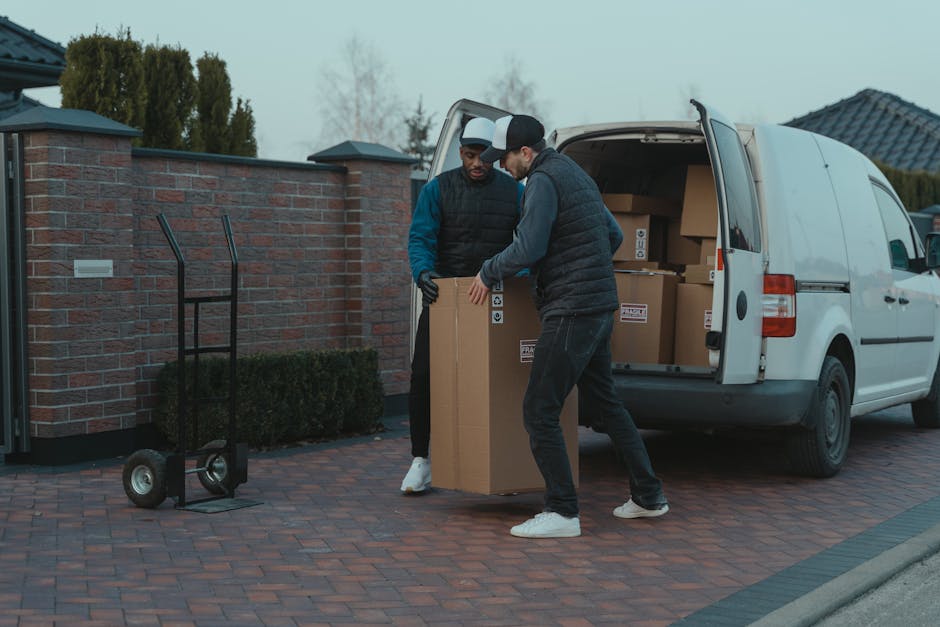
A small example. If a mover turns up in the dark on a wet evening, with straps, blankets, and a tidy load plan, you can usually tell they know what they are doing before a single box moves. That sort of quiet competence is what compliance often looks like in real life.
Expert summary: Good compliance is not about red tape for its own sake. It is about proving the team can move your items legally, safely, and responsibly, with fewer surprises along the way.
How Removals compliance and licences for Ilford man and van teams Works
In practical terms, compliance for a man and van operation usually sits across several areas: business setup, vehicle legality, insurance, driver competence, safety procedures, and sometimes local access rules. Not every team will need the same documents, but the basics should always be covered.
1. Business status and trading credibility
A legitimate removals team should be able to identify itself clearly. That normally includes a trading name, contact details, and transparent pricing information. Many people check this first through the company website, then by asking a few straightforward questions. If details are vague or evasive, that is a warning sign. No drama, just move on.
2. Vehicle roadworthiness
The van itself should be legal to use on public roads, appropriately taxed and maintained, and suitable for the type of load being carried. A worn tyre, a faulty light, or a poorly secured load can create real risk. For removals work, load security matters just as much as speed. Sometimes more.
3. Insurance cover
This is one of the biggest areas people overlook. Good removals operators usually hold public liability insurance, and many also carry goods-in-transit cover and employer liability cover if they have staff. Each policy does something different. Public liability is about injury or property damage to others; goods-in-transit is about items being carried; employer liability protects employees where required.
Some customers assume "insured" means everything is covered automatically. It does not. You need to know what is included, what is excluded, and whether the cover level fits the job.
4. Driver competence and loading practice
Loading is a skill, not just physical labour. A properly run team understands weight distribution, how to protect fragile items, how to stack safely, and how to avoid damage during sudden braking. A driver may also need the right licence category for the vehicle being used, especially if the van is larger or used in a way that changes the legal requirements.
5. Safety procedures on site
This is where the hidden work happens. Teams should know how to move safely through stairwells, protect flooring, manage awkward items, and keep exits clear. Good practice also includes communication with the customer when access is tight, and careful handling where children, pets, or building staff are around.
6. Permits and local access rules
In some jobs, parking permits, loading restrictions, or building management rules may affect the move. If a van cannot stop where expected, the whole day changes. A professional team will usually plan for that rather than improvising at the kerb while watching the clock.
Key Benefits and Practical Advantages
Checking removals compliance is not just about avoiding legal trouble. It creates practical benefits that you will feel on moving day, especially in a busy area like Ilford where access can be a bit of a puzzle.
- Fewer delays: teams that plan properly arrive with the right van, equipment, and paperwork.
- Lower damage risk: insured and trained movers tend to protect items and property more carefully.
- Better accountability: if something goes wrong, there is a proper process rather than a shrug and a disappearing act.
- Smoother access: compliant teams are more likely to understand parking, loading, and building rules.
- More predictable costs: a properly run operation is less likely to spring awkward charges on you at the last minute.
- Peace of mind: and yes, that matters. Moving is stressful enough without wondering whether the van is legitimate.
There is also a customer-service benefit that people do not always notice until later. Teams that work compliantly usually communicate better. They ask clearer questions, give more realistic arrival windows, and handle problems with a bit more calm. That calm is worth paying for.
If you are comparing general removals options, it can help to look at the wider service offer too, such as removal services or the more flexible man and van approach for smaller moves.
Who This Is For and When It Makes Sense
This topic is relevant to anyone booking a local move, but especially to people who want a smaller, faster, more cost-conscious solution without cutting corners. That includes:
- homeowners moving a few streets away
- tenants in flats or shared buildings
- students moving in or out of accommodation
- small businesses relocating stock or office furniture
- people needing same-day or short-notice transport
- customers booking bulky-item collection or furniture transport
It also matters if you are moving something awkward, valuable, or difficult to access. A piano, for example, is not just "a heavy item". It is a careful handling job. If that sounds like your situation, you may want a specialist service such as piano removals rather than a general uplift-and-go arrangement.
For smaller domestic moves, a capable van team may be enough. For larger homes or more complex access, you may need something closer to a full removal setup. If you are deciding between approaches, a useful starting point is to compare home moves, house removals, and flat removals depending on property type and load size.
And if you are moving around term time, student schedules, narrow hallways, and "everything has to be out by 10am" situations, student removals can be a better fit than trying to force a larger, slower service into a tight timeline.
Step-by-Step Guidance
If you want to check a man and van team properly, here is a sensible process that does not take long but can save you a headache later.
- Ask what they actually do. Are they moving single items, full households, office stock, or fragile furniture? The answer should match the service they offer.
- Confirm the vehicle type. A "van" can mean many things. Ask whether the vehicle is suitable for your load volume and access conditions.
- Check insurance. Ask what cover they hold and what it protects. Do not be shy about this. It is a normal question.
- Ask about loading equipment. Blankets, straps, dollies, trolleys, and protective covers are all signs of a prepared team.
- Clarify parking and access. If your road is narrow or restricted, make sure the mover understands it before the day arrives.
- Request a written quote or clear price explanation. Transparent pricing helps avoid disputes later. If you need a reference point, see pricing and quotes.
- Review terms and conditions. Look for cancellation rules, liability limits, and any exclusions. Boring, yes. Useful, absolutely.
- Keep communication simple. Share floor level, parking restrictions, item sizes, and access issues early. A five-minute call can prevent a fifty-minute delay.
A small but helpful habit: take photos of valuable items before the move. Not because you expect trouble, but because it keeps everyone honest if there is a question afterwards. A cracked mirror frame is much easier to discuss when there was a clear "before".
Expert Tips for Better Results
After enough moves, you notice patterns. The good ones are usually not the most dramatic. They are the ones where the details were handled before the van arrived.
Book for the access, not just the distance
Five miles across town can be harder than a twenty-mile journey if the property is awkward. In Ilford, flats above shops, permit-only bays, and busy main roads can all affect timing. The best teams plan for access first, mileage second.
Use the right service level
If you are moving a couple of chairs and a small wardrobe, a general van service may be enough. If you are moving furniture, appliances, and boxed contents, you may need something more structured like removals or even removal van support depending on load size. Choosing the right fit reduces wasted time and cost.
Look for evidence of safe working
Useful signs are simple: clean protective blankets, proper lifting technique, secure loading, and calm communication. If a team rushes the first five minutes, they often rush the whole job. And that's where scratches happen.
Do not ignore sustainability and waste handling
If you are disposing of items, ask how they handle reusable furniture, recycling, and responsible disposal. A team with a sensible recycling and sustainability approach usually thinks more carefully about waste streams and unloading too.
Match the van to the job
People sometimes assume bigger is always better. Not always. A huge vehicle can be harder to park, harder to manoeuvre, and unnecessary for a light move. A well-sized van is often faster and more practical.
One more thing. If the move includes boxes, beds, or fragile items, ask whether the team can also help with packing and boxes or packing and unpacking services. That can make the whole process less chaotic. Less chaos is good.
Common Mistakes to Avoid
Most problems with removals compliance are predictable. The tricky part is that people only notice them after the van has arrived, which is never ideal.
- Choosing on price alone: the cheapest quote may skip insurance, equipment, or proper planning.
- Not checking insurance wording: "covered" means very different things depending on the policy.
- Forgetting access restrictions: low bridges, permit bays, timed loading zones, and narrow roads can all change the job.
- Assuming every van is suitable: a small van, a long wheelbase van, and a larger removal vehicle are not interchangeable.
- Leaving packing until the last minute: rushed packing increases breakages and slows loading.
- Not explaining fragile or awkward items: mattresses, glass tables, and old wardrobes need different handling.
- Ignoring terms and cancellation rules: if a move changes, you need to know what happens next.
Another common one: people forget to tell the mover about stairs. Not "a few steps", but the full story. Third floor. No lift. Tight turn on the landing. That sort of detail matters more than people think.
If the job is commercial, you should also be looking at organised handling, arrival windows, and clear coordination. A team experienced in office removals or commercial moves will usually ask more questions up front, which is actually a good sign.
Tools, Resources and Recommendations
You do not need a warehouse full of equipment to do this properly. But a few practical tools and habits make a big difference.
| Need | What helps | Why it matters |
|---|---|---|
| Document check | Saved quote, insurance questions, booking confirmation | Prevents confusion if anything changes |
| Packing protection | Boxes, tape, wrap, blankets, labels | Reduces damage and speeds unloading |
| Access planning | Photo of entrance, parking notes, floor level | Helps the team choose the right setup |
| Furniture handling | Straps, trolleys, protective covers | Makes lifting safer and cleaner |
| Storage fallback | Short-term storage option | Useful if keys, timings, or access slip by a few hours |
For people with staggered moving dates, temporary space can be a lifesaver. A service such as storage gives you breathing room if completion times, handovers, or tenant move-out times do not line up neatly. They rarely do, to be fair.
If you are moving bulky household items and not everything needs to go to the new address, a service like furniture removals or furniture pick up can be more efficient than booking a full home move.
Law, Compliance, Standards and Best Practice
Without pretending that every removal job sits under the same rules, it helps to understand the general compliance landscape. In the UK, transport operators need to keep vehicles roadworthy and operated legally. Depending on the vehicle size and usage, drivers may need the appropriate licence entitlement. Insurance should be suitable for the business activity. And any team working on your property should follow safe manual handling and risk-aware working practices.
There is also the question of consumer fairness. A proper removals business should be clear about what is included, how claims are handled, and what responsibilities sit with the customer. That might sound a bit dry, but it is exactly what stops misunderstandings when everyone is tired and the kettle has already been packed.
Best practice usually includes:
- clear written quotations or at least clear price explanations
- appropriate insurance for the work being carried out
- safe loading and unloading procedures
- respect for property, communal areas, and neighbours
- transparent handling of delays, cancellations, and damage concerns
- good housekeeping in the van and on site
You may also want to check a company's public-facing policies. For example, a proper health and safety policy and insurance and safety information can tell you a lot about how seriously they treat the work. It is not the whole story, but it is a useful window into the operation.
And if you want to understand the company's wider standards around customer handling, it can help to review pages like terms and conditions and complaints procedure. A business that explains its process clearly is usually easier to trust on moving day.
Options, Methods, or Comparison Table
Not every move needs the same type of team. Here is a simple comparison that may help you choose the right level of service without overbuying or underpreparing.
| Option | Best for | Strengths | Watch-outs |
|---|---|---|---|
| Man and van | Small to medium moves, local transport, single items | Flexible, usually quicker, often more cost-efficient | May not suit large loads or complex access without planning |
| Full removals team | Entire homes, larger properties, more furniture | More manpower, more structured packing and loading | Usually costs more and may be more than you need |
| Van hire with help | DIY movers who still need transport support | Flexible if you can do some of the work yourself | You carry more responsibility for packing and lifting |
| Specialist item service | Pianos, fragile furniture, awkward or valuable items | Extra handling care and equipment | Usually needs advance planning and specific pricing |
If you are unsure where your move fits, start with the load, access, and time pressure. Those three things usually tell the truth. The rest is detail.
Case Study or Real-World Example
A typical Ilford move might look like this. A tenant in a first-floor flat needs to move to another address a few miles away. There is no lift, the road outside has limited stopping space, and the new place has a narrow stairwell. Nothing extreme. Just enough moving parts to cause trouble if the team is not organised.
The customer shares the floor level, lets the mover know there is a parked car restriction outside the building, and sends photos of the larger items. The mover confirms the van size, arrives with blankets and straps, and plans the loading order so the heaviest items go in first. The team also checks that the booking window allows enough time for both properties.
The result is not dramatic. Which is exactly the point. No last-minute parking panic, no scratched walls, no "we didn't know about the stairs" conversation. Just a steady move, a bit of lifting, and a much calmer afternoon.
That is what good compliance and proper licensing awareness tend to buy you in real life: boring reliability. And honestly, boring is lovely when you are moving house.
Practical Checklist
Use this before you book or before the movers arrive.
- Have you confirmed the company name and contact details?
- Do you know what type of van they are bringing?
- Have you asked what insurance cover is in place?
- Have you explained stairs, lifts, and access restrictions?
- Have you checked whether parking or loading permits are needed?
- Have you confirmed what is included in the quote?
- Have you asked about packing help, if needed?
- Are fragile, valuable, or awkward items clearly identified?
- Have you reviewed cancellation and damage terms?
- Do you know what happens if the schedule changes on the day?
If you are moving larger household contents, it may also help to think about whether you need a van, a truck, or a more specialised setup such as removal truck hire or a broader moving truck solution. Matching the vehicle to the job is a very practical form of compliance in itself.
Get a free quote today and see how much you can save.
Conclusion
Removals compliance and licences for Ilford man and van teams may sound like back-office admin, but in practice it is one of the biggest clues to how smooth your move will be. A properly run team is easier to trust, easier to plan with, and less likely to cause avoidable damage or delay.
If you remember only a few things, remember these: ask about insurance, confirm the vehicle and service fit, be honest about access, and choose the team that communicates clearly. That is usually where the good moves start.
And if you are still weighing things up, that is fine. Take a breath, check the details, and choose the option that feels properly prepared rather than just cheaply available. That little pause can save a lot of stress later.
Frequently Asked Questions
What does removals compliance actually mean?
It usually means the mover is trading properly, using a legal and suitable vehicle, carrying the right insurance, and working safely. In plain English, they are set up to do the job responsibly rather than just turning up with a van.
Do man and van teams need a special licence?
Not every job needs a special removals licence in the way people sometimes imagine, but the driver must have the correct licence entitlement for the vehicle and the work being done. The business should also operate within road and insurance rules that apply to commercial transport.
How can I check if a removals company is properly insured?
Ask what types of cover they hold, such as public liability and goods-in-transit insurance, and ask what the cover actually protects. A professional team should be able to explain it without sounding irritated, which is always a good sign.
Why is insurance so important for a small local move?
Because even short moves can involve damage risks, injury risks, or problems in communal spaces. A stairwell scratch, a dropped item, or a parking issue can happen in minutes. Insurance helps manage the impact.
What should I ask before booking an Ilford man and van team?
Ask about van size, insurance, pricing, access arrangements, packing help, and whether they have experience with your type of property. If the answers feel vague, keep looking.
Is a man and van service suitable for flat removals?
Yes, often it is. Flat moves can work very well with the right van size and planning. Just make sure the team knows about stairs, lifts, parking limits, and any loading restrictions.
What happens if parking is difficult on the day?
A prepared team will usually adapt, but it can affect timing and cost. That is why it helps to mention parking restrictions in advance rather than hoping for the best. Hope is not a parking strategy.
Do I need to tell the mover about heavy or fragile items?
Definitely. Heavy items may need extra hands or equipment, and fragile items need different handling and packing. The more honest you are up front, the safer the move tends to be.
Are written quotes better than verbal prices?
Yes, usually. Written quotes reduce misunderstandings about what is included, how time is charged, and what happens if the job changes. Clear pricing is one of the simplest trust signals.
Can a man and van team handle office moves too?
Often yes, especially for small offices, desk moves, stock transfers, or short relocations. For larger or more complex jobs, you may need a more structured service such as office removals or commercial moves.
What if I need storage between moving out and moving in?
Short-term storage can be a very practical solution if your dates do not line up neatly. It is one of those things people ignore until the final week, then suddenly it becomes the hero of the day.
How do I know whether I need a full removals team instead of a man and van?
If you have a larger property, lots of furniture, complex access, or a tight schedule, a full removals team may be better. For smaller, simpler moves, a man and van service can be the smarter choice. The right answer depends on the load and the access, not the label alone.
What is the biggest mistake people make when hiring a mover?
Probably choosing too quickly based on price alone and not checking the practical details. The cheapest option can become the most expensive one if it is underinsured, underprepared, or not suited to the job.
How far in advance should I book?
For busy periods, earlier is better. That said, same-day removals and short-notice bookings can sometimes be arranged if the mover has availability and the job is straightforward.
Whether you are moving a single item or a full household, a little care at the booking stage usually pays off on moving day. That is the whole trick, really. Take the time once, and the rest gets easier.